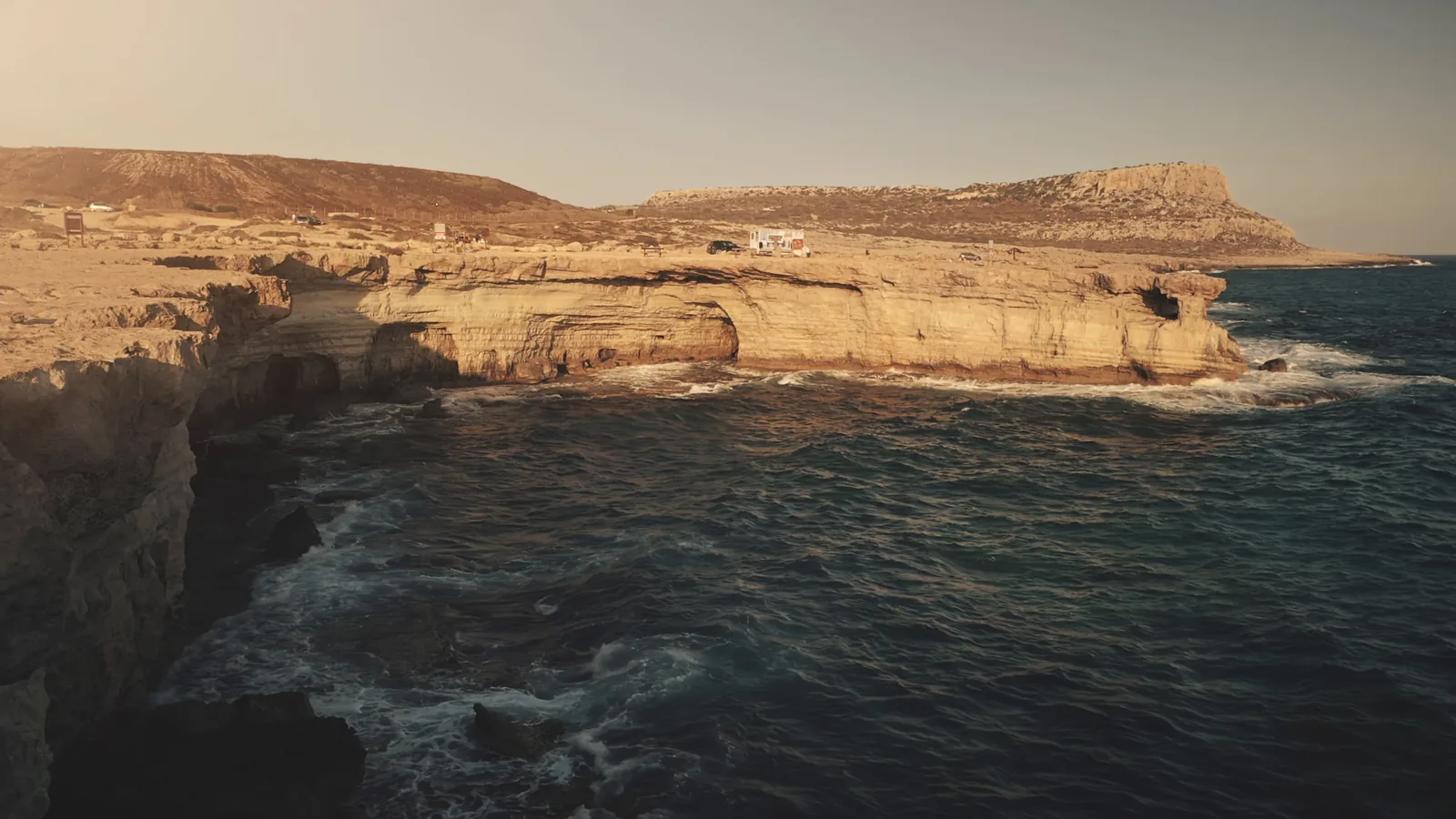
Best Time To Travel To Iceland 2026
A practical roundup review of the best options for best time to travel to iceland, with quick picks, comparison notes, mini reviews, buying advice, and FAQ.

Best Time To Travel To Iceland 2026
Roundup review
We compared eight seasonal travel windows for Iceland in 2026, weighing official weather data, aurora activity forecasts, daylight hours, road accessibility, crowd levels, and price patterns from major UK tour operators and flight carriers. After analysing the evidence, late September to early October remains the best overall time to travel to Iceland, offering a balanced mix of manageable daylight, early Northern Lights chances, moderate prices, and fewer visitors than peak summer.
Quick Comparison
Late Sep – Early Oct
- Aurora season begins
- Fewer crowds than summer
- Roads still fully accessible
November – February
- Long dark nights
- Peak Northern Lights odds
- Winter landscapes
May – Early June
- All highland roads open
- Mild conditions
- Puffin colonies active
April – Early May
- Lower flight prices
- Shoulder season deals
- Snowmelt waterfalls
Late June – August
- Midnight sun
- Warmest weather
- Full tour availability
The Best Time To Travel To Iceland
- Late September – Early October – Best overall balance
- November – February – Best for Northern Lights
- May – Early June – Best for self-drive flexibility
- April – Early May – Best for budget travellers
- Late June – August – Best for families and first-timers
Late September – Early October
This two-to-three-week window is the sweet spot for most UK travellers. Daylight runs roughly 11 to 13 hours, so you can still pack in sightseeing without the relentless darkness of midwinter. The aurora season officially begins in late September, meaning you have a genuine chance of seeing the Northern Lights without committing to full winter conditions. Tour prices drop noticeably from peak summer levels, and the Golden Circle and South Coast attractions are noticeably quieter than in July and August.
Weather is cooler but generally stable, with average daytime highs around 7–9°C in Reykjavík. The risk of road closures is low, and all main ring road routes remain open. You will need warm layers and a waterproof jacket, but you will not face the severe driving conditions of January or February.
Pros
- Northern Lights season begins
- Daylight still practical for tours
- Accommodation prices drop from summer highs
- Roads remain fully open and drivable
- Crowds thin out after peak season
Cons
- Aurora sightings not guaranteed – cloud cover matters
- Weather can shift quickly between rain and sun
- Some highland roads close late September
- Whale-watching tours reduce frequency
November – February
If seeing the aurora is your primary motivation, the deep winter months offer the longest periods of darkness and the highest statistical chance of clear, active skies. Daylight shrinks to between four and seven hours, which means your sightseeing window is limited, but the trade-off is a dramatically different Iceland: frozen waterfalls, glacial lagoons with icebergs, and black sand beaches dusted with snow.
Popular winter tours run daily from Reykjavík, and many operators now use aurora forecasting apps to position you under clearer skies. You will need serious cold-weather gear and flexible plans, because sudden storms can close mountain passes for hours. For UK travellers used to grey winters, the adjustment feels manageable, but the short days test even experienced travellers.
Pros
- Longest dark hours for aurora hunting
- Winter landscapes are spectacular
- Ice cave tours run only in winter
- Flights from UK remain frequent
- Accommodation rates lower than summer
Cons
- Very limited daylight for sightseeing
- Road closures possible on north and east routes
- Wind chill can be severe
- Some attractions inaccessible by car
May – Early June
For travellers who want to hire a car and explore beyond the standard tour circuit, late spring is the best compromise. Daylight stretches to 18 to 21 hours by late May, giving you enormous flexibility to cover long distances without rushing. The weather is milder than winter with daytime highs of 9–12°C, and most of the highland roads open progressively through the first two weeks of June.
Puffins return to their coastal nesting sites, making this a strong choice for wildlife photographers. The main trade-off is that the aurora becomes much harder to see because the nights barely darken, so you will need to decide what matters more. The Ring Road is fully accessible, and you can comfortably drive the full circuit in 8–10 days with realistic rest stops.
Pros
- Very long daylight hours
- All ring road routes open
- Milder conditions for hiking
- Puffin colonies active
- Fewer travellers than midsummer
Cons
- Northern Lights barely visible
- Weather still unpredictable
- Highland roads only partially open
- Accommodation filling fast by late May
April – Early May
April is the shoulder season that still flies under most radars. Flights from UK airports drop well below their summer averages, and Reykjavík hotel prices ease off significantly compared with June through August. Daylight returns to a practical 13–15 hours, so you can fit full day tours without the extreme cold of winter or the premium pricing of summer.
Snowmelt swells the waterfalls, making the South Coast particularly dramatic. You also catch the tail end of the aurora season, though sightings become less reliable as nights shorten. The main disadvantage is that some highland routes remain closed and weather can still bring icy patches on mountain passes, so check road conditions daily if you plan to drive.
Pros
- Lower flight and accommodation costs
- Comfortable daylight for sightseeing
- Dramatic waterfall flows
- Good aurora chances in early April
- Fewer tourists than summer
Cons
- Weather can still turn wintry
- Highland roads closed
- Some whale-watching tours not yet running
- Nights too light for aurora by early May
Late June – August
Peak summer remains the most straightforward choice for families with younger children or anyone making their first trip to Iceland. Temperatures reach a pleasant 12–15°C, daylight runs around 20–21 hours, and every tour operator runs at full capacity. The midnight sun is genuinely unforgettable, and the extra hours make it easy to pace each day around younger travellers' energy levels.
This comes at a cost: flights from UK regional airports command their highest prices, and Reykjavík hotels fill months in advance. The popular spots like the Blue Lagoon, Thingvellir, and Gullfoss will be busy, so book ahead. On the positive side, all roads are open, weather is at its most predictable, and you can comfortably explore the entire country without winter driving gear.
Pros
- Warmest and most stable weather
- Almost 24-hour daylight
- All roads and tours available
- Family-friendly activities everywhere
- Ideal for first-time visitors
Cons
- Highest flight and hotel prices
- Busy attractions and car parks
- No Northern Lights visibility
- Popular tours book out weeks ahead
Buying Guide: How to Choose the Best Time To Travel To Iceland
Choosing when to visit Iceland is not about finding one objectively correct date. It is about matching the season to your priorities, your budget, and how comfortable you are adapting plans around weather. Before you book flights or accommodation, work through these five factors.
Daylight Hours
Iceland sits just below the Arctic Circle, so daylight varies dramatically across the year. In June, you get roughly 21 hours of daylight; in December, that drops to around 4–5 hours in Reykjavík. If your itinerary involves driving the Ring Road or hiking, longer daylight gives you more room for error and less pressure. If your goal is aurora viewing, limited daylight works in your favour because you need darkness.
Northern Lights Season
The aurora is visible from late September through late March, but visibility depends on solar activity, cloud cover, and light pollution. The best months are typically November through February, when nights are longest. However, solar activity follows an 11-year cycle, and 2026 falls just after a predicted peak, meaning aurora activity should still be above average. Do not book winter travel purely for the aurora without understanding that cloud cover can ruin any given night. Build in at least 3–4 clear-sky nights for a realistic chance of seeing it.
Road Conditions and Accessibility
The Ring Road is open year-round, but mountain roads and F-roads (highland tracks) only open from mid-June to early September. In winter, sudden storms can close sections of the Ring Road for hours, especially in the north and east. If you plan to hire a car, consider that winter driving requires experience with ice and strong winds. May and September offer the best compromise – the main routes are open and the driving conditions are more forgiving.
Price Patterns
Flights from UK airports to Keflavík are cheapest in January, February, and April. Hotel rates follow the same pattern, with the lowest prices in late autumn and winter. Prices climb sharply from late May and peak in July and August. If budget is your priority, aim for April or early May. You get decent daylight, manageable weather, and a real chance of seeing the aurora in the first half of April.
Tour Availability
Some activities only run in specific seasons. Ice cave tours operate from November to March. Whale watching runs year-round but with different species depending on season. Puffin tours run from May through August. Glacier hikes operate all year but with more route options in summer. Decide which experiences matter most before you commit to a date. If you want the fullest range of tours, summer offers the most choices.
Weather Expectations
Icelandic weather is famously changeable in any season. Summer brings temperatures of 10–15°C, occasional rain, and the most stable driving conditions. Winter brings sub-zero temperatures, wind chill, and the risk of sudden storms. Spring and autumn are transitional, with cool temperatures and frequent weather fronts. Pack layers regardless of when you go – waterproof outerwear is essential every month of the year.
What to Verify Before Booking
Check your tour operator's cancellation policy, especially for winter bookings where weather disruptions are possible. Confirm whether your car hire includes sand and ash protection, which is standard in Iceland but worth verifying. If you are booking Northern Lights tours, understand that most operators offer a free second trip if the first one fails due to cloud cover – but read the terms carefully. Finally, check passport validity well before departure because Iceland is in the Schengen area and entry requirements may change.
Final Verdict: Best Time To Travel To Iceland
After weighing all the evidence, late September to early October remains our top recommendation for most UK travellers. You get a genuine chance of seeing the Northern Lights, comfortable daylight for sightseeing, moderate prices, and far fewer crowds than summer. It is the most balanced option on the list.
If aurora viewing is your single priority, choose November through February and accept the short days. If you are driving the full Ring Road, target May or early June for the best combination of open roads and long daylight. Budget travellers should book April, while families with younger children will find peak summer the most practical, even with the higher cost.
Whatever you choose, book flights and accommodation well in advance – Iceland's small accommodation base fills quickly during every season. For flexible payment options and clear terms, browse the options on Spread & Go and compare before you commit.
Best Time To Travel To Iceland 2026 FAQ
What is the absolute cheapest month to fly to Iceland from the UK?
January and February typically offer the lowest flight prices from UK airports, with returns from London often dropping significantly below summer fares. However, April usually offers a better value-to-experience ratio because daylight and weather improve while prices remain low.
Can I see the Northern Lights in September in Iceland?
Yes, the aurora season starts in late September. You have a reasonable chance if you pick a clear night away from city lights and solar activity is moderate. However, September nights are still relatively short, so your viewing window is limited compared with November or December.
Is Iceland worth visiting in winter despite the short daylight hours?
Yes, but only if you plan around the darkness. Winter offers unique experiences like ice caves, frozen waterfalls, and snow-covered landscapes. You will need to structure each day around the roughly 4–7 hours of daylight and be prepared for last-minute changes if weather closes roads.
When is the best time to drive the full Ring Road in Iceland?
Late May through early June is the best window. The road is fully open, daylight is long, and you avoid the heavy summer traffic of July and August. Weather is milder than spring, though you should still check road conditions daily through the Icelandic Road Administration's website.
What should I pack for an Iceland trip in late September?
You need waterproof layers, a warm mid-layer, thermal base layers, a windproof outer jacket, sturdy walking boots, and a hat and gloves. Temperatures range from 2°C to 9°C, and rain is common. Bring a neck warmer and consider waterproof trousers for waterfall spray and boat trips.
Are Iceland tours cheaper if booked in advance or last minute?
Most established tour operators reward early booking with lower prices and guaranteed availability. Last-minute discounts exist but are unpredictable and often involve off-peak departure times. For popular experiences like ice cave tours and Glacier Lagoon boat rides, booking 6–8 weeks ahead is the safer approach.
Can I pay for Iceland holidays in instalments?
Several UK-based travel agencies and tour operators offer flexible payment plans for Iceland packages. Always read the terms carefully – some charge interest, and cancellation rights vary. If you prefer spreading the cost, compare the total amount payable rather than just the monthly figure.