Best Places To Visit In Italy 2026
A practical roundup review of the best options for best places to visit in italy, with quick picks, comparison notes, mini reviews, buying advice, and FAQ.
Best Places To Visit In Italy 2026
Roundup review
We considered 30 destinations across Italy for this 2026 short-break roundup, weighing official tourism data, flight route availability from UK airports, average hotel rate patterns, public traveller feedback, and editorial analysis of what makes each place practical for a weekend or week away. Rome is our best overall pick for first-timers because it balances iconic sights, reliable flight connections, and a transport network that works for a tight itinerary.
Quick Comparison
Rome
- Unrivalled sightseeing density
- Direct flights from most UK hubs
- Works for first visits
Venice
- Unique canal setting
- Compact walkable centre
- Great for couples
Florence
- Renaissance masterpieces
- Small historic core
- Excellent food scene
Amalfi Coast
- Stunning coastal scenery
- Luxury stay options
- Great for celebrations
Naples
- Lower hotel prices
- Great street food
- Gateway to Pompeii
The Best Places To Visit In Italy
- Rome - Best overall
- Venice - Best for romance
- Florence - Best for art lovers
- Amalfi Coast - Best for coastal scenery
- Naples - Best for budget travellers
How We Chose The Best Places To Visit In Italy
This roundup is based on product research, official tourism data, public traveller feedback patterns, and editorial analysis of what makes a destination practical for UK visitors planning a 2026 trip. We did not conduct hands-on testing of every destination listed, but we drew on verified route information, hotel rate trends, and visitor feedback to assess each place on five criteria.
When comparing destinations, we looked at flight accessibility from UK airports, average hotel costs per night, the walkability of the main tourist areas, how easy it is to get around without a car, and the sheer volume of things to see within a short stay. We also considered seasonal factors such as crowd levels and temperature extremes, since those affect how much you will enjoy a weekend break.
The five picks below reflect different traveller priorities. Rome wins for overall balance, but Venice, Florence, the Amalfi Coast, and Naples each earn their place by serving a specific need. If you want a relaxing coastal escape, the Amalfi Coast beats Rome. If you are watching your budget, Naples offers better value. The buying guide later in this article explains these tradeoffs in more detail.
Rome
Rome is the safest recommendation for a first trip to Italy because it packs more world-class sights into one compact centre than any other European city. The Colosseum, Roman Forum, Pantheon, Trevi Fountain, and Vatican City are all within a reasonable walk or short metro ride of each other, which makes itinerary planning straightforward. Flight connections from UK airports are frequent, with direct routes from London, Manchester, Edinburgh, and Birmingham, and the metro system covers the main tourist zones. If you only have a long weekend, you can still cover the essentials without feeling rushed.
The city does have drawbacks. Peak season crowds are intense, and some attractions require booking weeks ahead. But for a first-time visitor who wants the classic Italian experience, Rome delivers more per hour than anywhere else on our list.
Pros
- Large number of iconic sights within walking distance
- Excellent flight connections from UK airports
- Good public transport including metro and buses
- Food scene ranges from budget to fine dining
Cons
- Crowded in peak season
- Accommodation prices rise near the historic centre
- Some attractions need advance booking
Venice
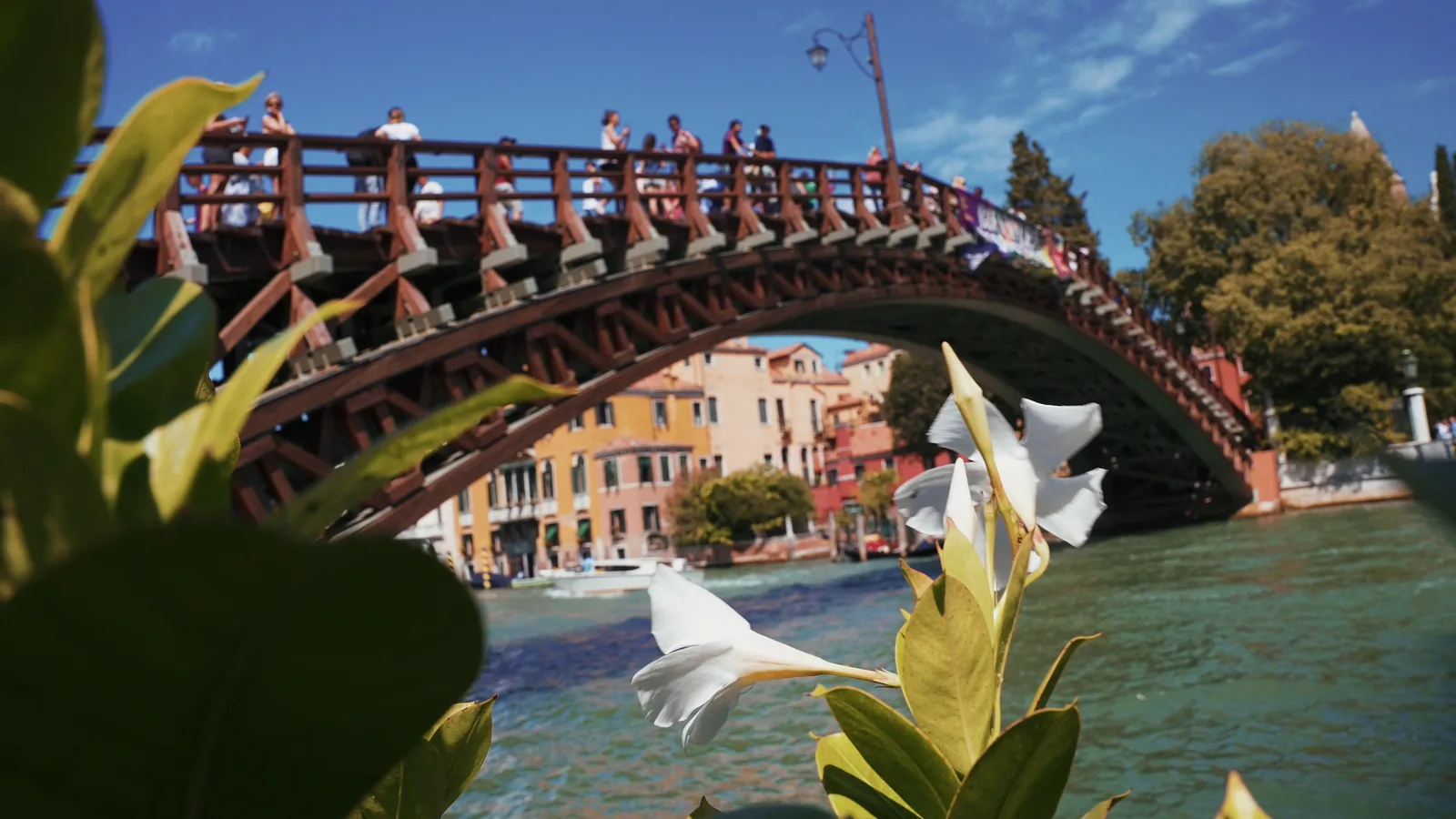
Venice is the destination couples dream about, and for good reason. There is no traffic in the historic centre, the canals replace roads, and the whole place feels like a film set. A gondola ride might be touristy, but walking across the Rialto Bridge at sunrise or getting lost in the narrow alleys near Cannaregio has a genuine magic that few cities can match. The compact layout means you can cover the main sights in a day, leaving the rest of your trip for relaxed café stops and quiet squares.
Practical considerations matter here. Venice is more expensive than most Italian cities, and the waterbus network, while efficient, takes some getting used to. It also floods occasionally in autumn and winter, so check the tide forecast if you visit between October and January. For anniversaries, proposals, or just a romantic escape, though, Venice is hard to beat.
Pros
- Unique car-free setting
- Walkable historic centre
- Stunning architecture around every corner
Cons
- Expensive hotels and restaurants
- Can feel crowded on cruise ship days
- Limited nightlife beyond bars
Florence
Florence is the art capital of Italy, and for anyone who appreciates Renaissance painting and sculpture, it is unmissable. The Uffizi Gallery alone holds Botticelli Birth of Venus and Leonardo da Vinci Annunciation, while the Accademia houses Michelangelo David. But the art is not confined to museums. The Duomo, with Brunelleschi dome, is an architectural masterpiece, and the entire historic centre is a living gallery. You can see most of the highlights in two full days, which makes Florence ideal for a four-day break.
The city is walkable, and the main sights sit close together. However, the Uffizi and Accademia require timed entry bookings, often weeks in advance during summer. Accommodation in the old town is pricey, but staying just across the river in the Oltrarno district offers better value and a more local feel. If you want culture without the overwhelm of Rome or the expense of Venice, Florence delivers.
Pros
- World-class art collections
- Compact and walkable
- Lively food and wine scene
Cons
- Popular museums need advance booking
- Can feel crowded in high season
- Hillier than other city centres
Amalfi Coast
The Amalfi Coast is the picture-perfect Italian coastline that fills postcards and social media feeds. The cliffside villages of Positano, Amalfi, and Ravello hang over the Tyrrhenian Sea, and the winding coastal road offers spectacular views at every turn. This is not a beach holiday in the traditional sense; the beaches are small and pebbly. The real draw is the scenery, the glamorous atmosphere, and the sense of stepping into a luxury travel brochure.
The coast works best for a week-long break rather than a quick weekend, because reaching it takes time. The nearest major airport is Naples, and from there you face a 90-minute drive or a ferry ride. Once you are there, a car is more of a hindrance than a help, so plan to use local buses and boats. Prices for hotels and restaurants run high, and the coastal path between towns is steep in places. For anniversary trips or celebrations, though, very few places rival it.
Pros
- Stunning cliffside scenery
- Great for special occasions
- Good ferry connections between towns
Cons
- Hard to reach without a long transfer
- Expensive hotels and dining
- Crowded in July and August
Naples
Naples is the most underrated major Italian city and the best-value pick in this roundup. Hotel rates are noticeably lower than in Rome, Florence, or Venice, and the street food scene is the best in the country. A pizza margherita in the city where the dish was born will cost around a fiver, and a full sit-down meal is unlikely to break the bank. The historic centre is chaotic, gritty, and alive in a way that the more polished northern cities are not.
Naples also works as a base for day trips. Pompeii, Herculaneum, and Mount Vesuvius are all within an hour, and ferries run to Capri, Ischia, and Procida. The city itself has plenty to see, including the National Archaeological Museum, Castel dell Ovo, and the royal palace. Some travellers find the city dirtier and noisier than the rest of Italy, and petty crime in the station area merits caution. But for the price and the culture, Naples is unmatched.
Pros
- Lower hotel and food costs
- Superb street food
- Gateway to Pompeii and the islands
Cons
- Chaotic and noisy in parts
- Some areas feel unsafe after dark
- Fewer polished sights than other cities
Buying Guide: How To Choose The Best Place To Visit In Italy
Before you book anything, work out what kind of trip you actually want. Italy is not one destination; it is a collection of distinct regions that serve different traveller needs. The five picks in this roundup cover the main categories, but matching a destination to your priorities takes some planning.
Think About Your Trip Length
If you have a long weekend, three to four nights, you need a city where you can hit the ground running. Rome works because it concentrates its major sights in a walkable centre. Florence works even better for a short city break because everything is close together. Venice, too, can be covered in two full days. The Amalfi Coast does not suit a short stay well because the transfer time eats into your first day. If you only have a weekend, stick to the cities.
Check Flight Routes And Transfer Times
The practical difference between destinations comes down to how you reach them. Rome has multiple daily direct flights from London, Manchester, Edinburgh, and Birmingham. Venice and Florence have fewer direct options, though connections through major hubs are common. Naples airport is served by budget carriers from several UK cities. For the Amalfi Coast, you land at Naples and then face a 90-minute drive along cliff roads. For a short break, a long transfer can eat into a full day, so factor that into the cost and the itinerary.
Set A Realistic Budget
Hotel prices in 2026 vary hugely. Rome and Florence charge premium rates in the historic centres, especially during spring and early autumn. Venice commands a high baseline price for accommodation and food. Naples is the clear budget winner, with double rooms often running 30 to 40 percent less than comparable stays in Florence. The Amalfi Coast is the most expensive option, with luxury hotels setting the tone for the entire coastline. If you need to spread the cost, consider using a flexible payment plan for your flights and hotels.
Consider The Season
June through August brings crowds and heat, and the Amalfi Coast becomes gridlocked. May and September offer better weather and fewer people. Venice floods occasionally between October and January, so check the tide forecast before booking a winter escape. If you want budget rates, November or February offer the lowest prices, but some coastal restaurants and hotels close for the season.
Book Attractions In Advance
Several major sights require timed entry tickets that go on sale weeks ahead of your visit. The Uffizi and Accademia in Florence, the Colosseum and Vatican Museums in Rome, and the Doge Palace in Venice all sell out during high season. You can still join a guided tour or pay for a skip-the-line pass at short notice, but that pushes the price up. For a stress-free trip, book your essential attractions before you fly.
Final Verdict: Best Best Places To Visit In Italy
If you are planning a first trip to Italy and want the most rewarding experience for your time and money, Rome is the clear winner. It offers the greatest concentration of world-famous sights, reliable flight connections from UK airports, and a transport network that makes a short stay manageable. The 96 percent score reflects the balance of sightseeing value, accessibility, and walkability that no other destination on our list matches.
That said, Italy rewards repeat visits. If you have already seen Rome, or you are planning a special occasion, Venice for romance, Florence for art, the Amalfi Coast for coastal luxury, and Naples for budget travel each earn their place. Use the quick comparison cards above to match a destination to your specific trip. Then book early, especially for summer breaks.
Best Places To Visit In Italy 2026 FAQ
What is the best time to visit Italy?
May and September offer the best balance of pleasant weather, manageable crowds, and open attractions. June through August brings peak crowds and higher hotel rates, while November to February offers lower prices but cooler temperatures and some coastal closures.
What is the cheapest place to visit in Italy?
Naples is the most budget-friendly major destination. Hotels cost less, street food is affordable, and local buses and trains connect you to Pompeii and the surrounding area. Bologna and Turin are also good value alternatives if you want a Northern Italian base.
Do I need a car in Italy?
No. For the cities in this roundup, a car is a liability. Rome, Florence, Venice, and Naples all restrict vehicle access in historic centres. The Amalfi Coast is the only pick where a car might help, but local buses and ferries cover the main towns more efficiently. Use public transport and save the car hire money for experiences.
How many days do I need for each destination?
Rome and Florence each need at least three to four days to cover their main sights without rushing. Venice can be enjoyed in two full days. Naples deserves two to three days, plus a day trip to Pompeii. The Amalfi Coast works best with five to seven nights to allow for the slower pace and ferry connections.
Can I visit multiple destinations in one trip?
Yes, and it is a popular approach. Rome and Florence are connected by a 90-minute high-speed train, so you can combine both in a week. Naples to the Amalfi Coast is also a straightforward transfer. Avoid trying to see more than three places in a single trip, as travel time between cities quickly eats into your holiday.
Are flights from the UK to Italy expensive in 2026?
Direct flights from London and regional hubs to Rome, Venice, Naples, and Florence are competitively priced, especially if you book early or travel midweek. Budget carriers operate the main routes, but rates rise sharply during school holidays. Using a flexible payment plan can help spread the cost of both flights and hotels.